Table of Contents
- 1. UV Exposure
- 2. Low-Quality or Improperly Mixed Epoxy
- 3. Heat and Chemical Exposure
- 4. Age and Natural Oxidation
- 5. Moisture and Improper Substrate Preparation
- Prevention and Maintenance Tips
- Choose Garage Floor Masters for High-Quality Epoxy Flooring
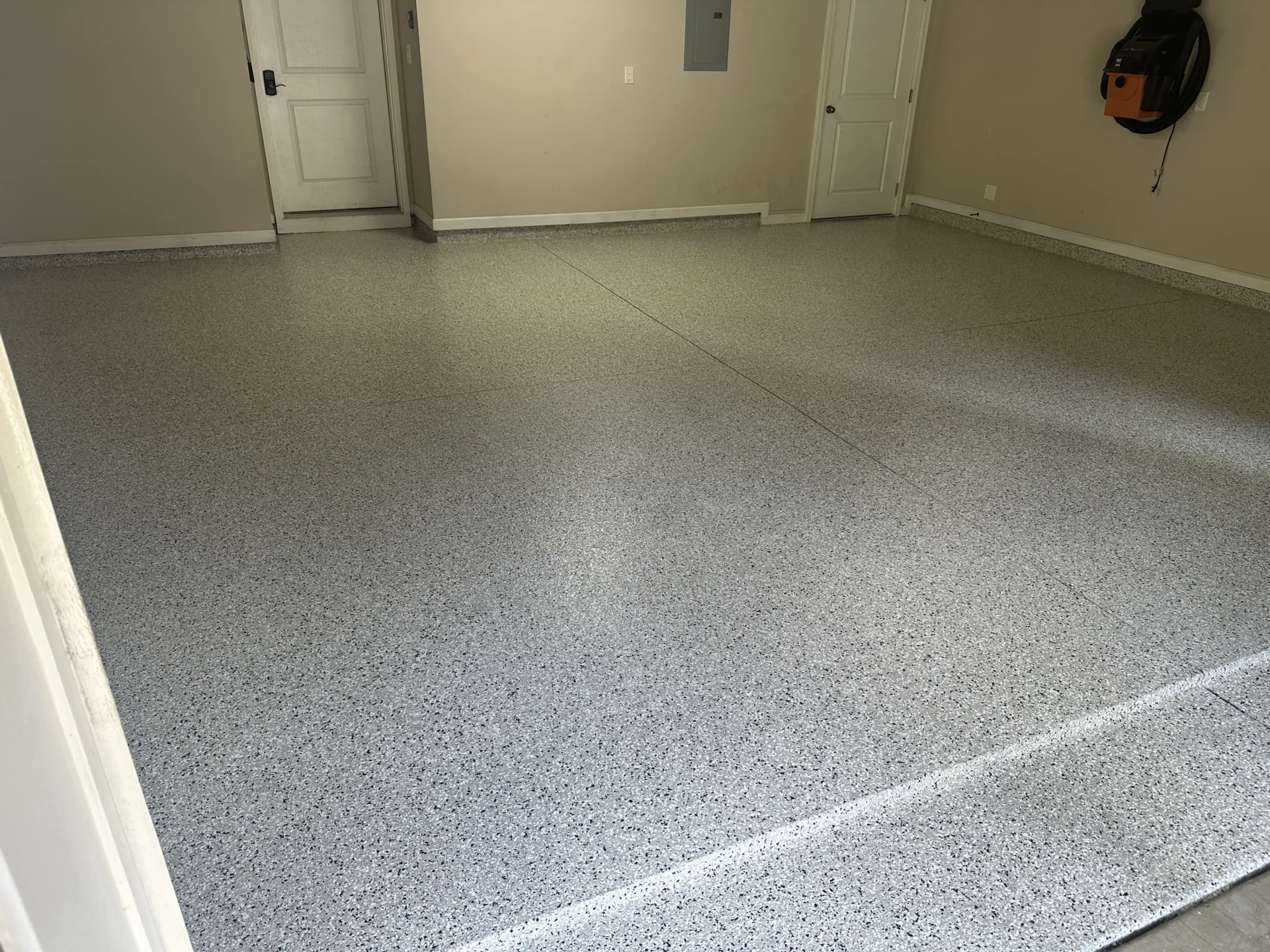
Epoxy floors are a popular choice for garages, basements, and commercial spaces thanks to their durability, sleek appearance, and ease of maintenance. But over time, even the best-looking epoxy can yellow and develop a tint that detracts from the clean, polished finish you originally loved. Yellowing can happen for a variety of reasons. In this blog, we’ll explore the most common causes of epoxy floor discoloration, explain why it happens, and offer tips on how to prevent and address yellowing, so your floors stay vibrant and professional-looking for years to come.
1. UV Exposure
One of the most common reasons epoxy floors turn yellow is exposure to ultraviolet (UV) light. Sunlight streaming through windows or garage doors, as well as certain types of indoor lighting, can gradually break down the epoxy’s chemical components, causing it to develop a yellowish tint. Areas near skylights or glass doors are especially vulnerable. To protect your floors, consider using UV-resistant epoxy or applying a clear UV-protective topcoat. Even simple measures, like closing blinds or using window films in sunlit areas, can significantly slow down yellowing and help maintain your floor’s original, vibrant appearance.
2. Low-Quality or Improperly Mixed Epoxy
The quality of your epoxy and how it is applied can make a big difference in whether your floors stay clear or develop a yellow tint. Using low-grade epoxy or cutting corners during installation increases the risk of discoloration over time. Even high-quality epoxy can yellow if the two components (resin and hardener) are not mixed correctly or applied under the wrong conditions. Proper mixing, curing time, and installation environment are essential to achieve a durable, long-lasting finish. Investing in professional-grade materials and expert installation helps ensure your floors maintain their glossy, clean look for years without unwanted yellowing.
3. Heat and Chemical Exposure
Excessive heat and exposure to certain chemicals can also cause epoxy floors to yellow over time. High temperatures from hot vehicles, heaters, or even direct sunlight can accelerate chemical reactions within the epoxy that lead to discoloration. Household chemicals, harsh cleaning agents, and spills like oil or gasoline can further damage the surface, causing uneven yellowing or stains. To protect your floors, avoid using abrasive cleaners or harsh chemicals, and be mindful of heat sources in your garage or workspace. Using gentle cleaning products and maintaining a controlled temperature environment helps preserve your floor’s original color and glossy finish.
4. Age and Natural Oxidation
Even with high-quality materials and proper care, epoxy floors can naturally yellow over time due to oxidation. As the epoxy reacts with oxygen in the air, its chemical structure slowly changes, which can result in a subtle yellow tint. This process is gradual, but older floors, especially those exposed to sunlight or frequent use, may show more noticeable discoloration. While oxidation is a natural part of the material’s lifespan, you can slow the process by applying UV-resistant topcoats and keeping floors clean and protected. Regular maintenance helps extend the life of your epoxy while keeping it looking fresh and vibrant.
5. Moisture and Improper Substrate Preparation
Yellowing can also occur when epoxy is applied over a surface that isn’t properly prepared or has excess moisture. If the concrete substrate is damp, improperly cleaned, or contains contaminants, the epoxy may not adhere correctly, which leads to chemical reactions that cause discoloration over time. Proper surface preparation including cleaning, etching, and ensuring the concrete is fully dry is essential for a smooth, long-lasting finish. Addressing moisture issues before installation and following recommended application guidelines helps prevent yellowing and ensures your epoxy floors maintain their sleek, professional appearance.

Prevention and Maintenance Tips
Preventing yellowing starts with choosing the right epoxy and applying it correctly. Opt for high-quality, UV-resistant epoxy or a clear protective topcoat to guard against sunlight and oxidation. Proper installation is equally important. Once your floor is installed, maintenance plays a key role in preserving its appearance. Use gentle cleaning products instead of harsh chemicals, avoid abrasive scrubbing, and promptly clean spills to prevent staining. Routine inspections and occasional touch-ups can also help maintain the glossy, vibrant look of your epoxy. With these steps, your floors can stay beautiful and durable for years.
Choose Garage Floor Masters for High-Quality Epoxy Flooring
Yellowing epoxy floors can detract from the clean, professional look of your garage, but understanding the causes and taking preventative measures can keep your floors looking their best. At Garage Floor Masters, we specialize in high-quality epoxy floor installations and maintenance, ensuring your floors are durable, glossy, and resistant to yellowing. Don’t leave your floors’ appearance to chance. Contact us at Garage Floor Masters today for professional advice, expert installation, and solutions to keep your epoxy floors looking flawless.