Table of Contents
- How Moisture Moves Through Concrete
- What is a Moisture Barrier?
- Signs Moisture is Affecting Your Garage Floor
- Why Moisture Barriers Are Essential for Garage Floor Coatings
- Prevents Coating Failure
- Extends the Life of the Floor
- Improves Adhesion
- Protects Against Future Moisture Issues
- Types of Moisture Barriers Used in Garage Floors
- Protect Your Garage Floor Investment
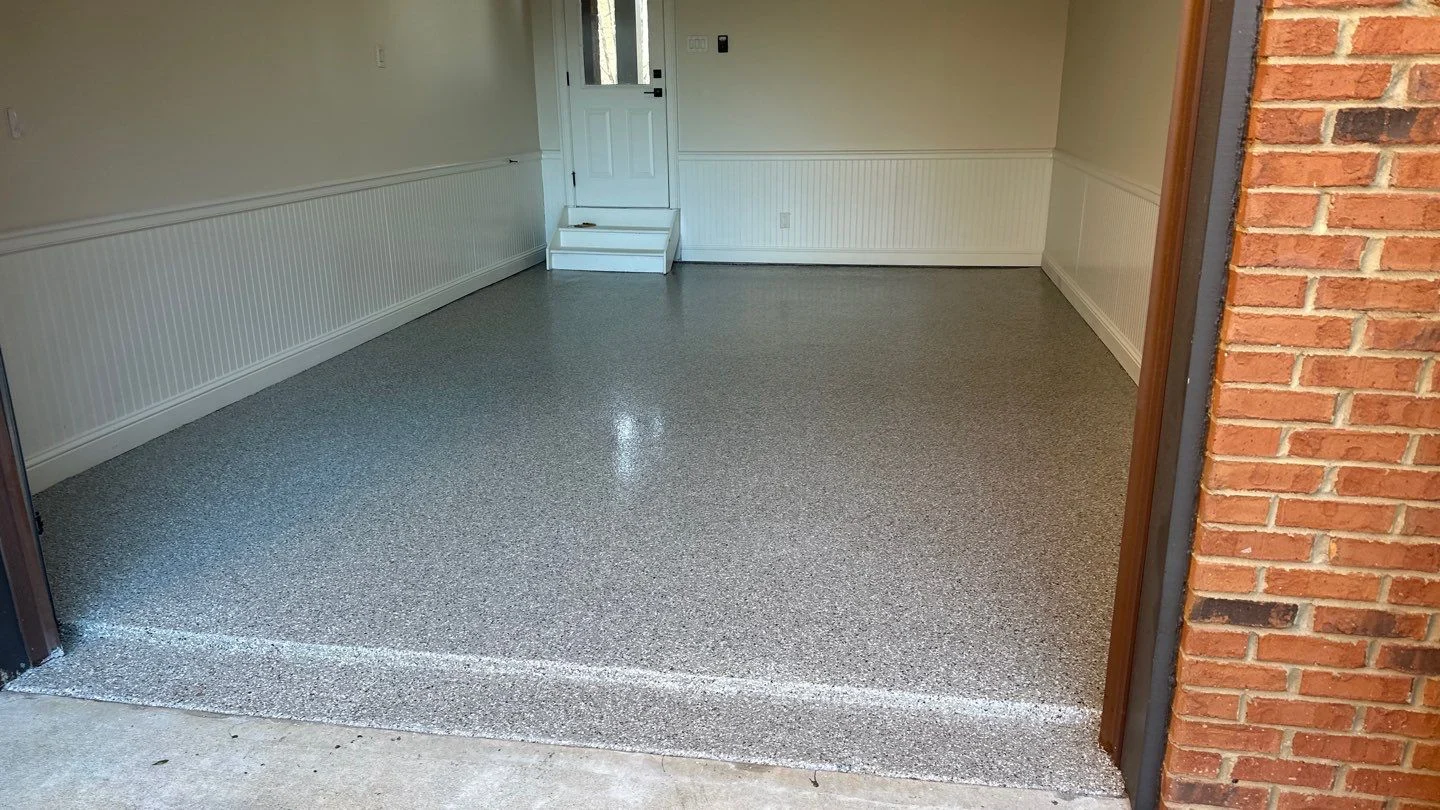
When homeowners think about upgrading their garage floors, they often focus on the appearance and durability of the coating itself. Epoxy and Polyaspartic coatings can transform a dull concrete floor into a clean, attractive, and highly durable surface. However, what happens beneath the surface of the concrete can have a major impact on how long that coating lasts.
This is why professional installation often includes the use of a moisture barrier. Moisture barriers help protect the bond between the coating and the concrete, ensuring the floor remains durable and attractive for years. Professional installers like Garage Floor Masters understand how important this step is when creating a long-lasting garage floor system.
How Moisture Moves Through Concrete
Many people assume that concrete is completely solid and waterproof, but that is not the case. Concrete is naturally porous, meaning it contains tiny openings that allow water and moisture vapor to pass through it.
Moisture can enter the concrete slab from the soil beneath the foundation. Groundwater, humidity, and temperature changes all influence how moisture moves through the concrete. Even if the surface of the garage floor feels dry, vapor can still be traveling upward through the slab.
When a floor coating is applied without addressing this moisture movement, the vapor becomes trapped beneath the coating layer. As pressure builds, it can weaken the bond between the coating and the concrete surface. Over time, this pressure can cause noticeable damage.
What is a Moisture Barrier?
A moisture barrier, sometimes called a vapor barrier, is a protective layer that helps block moisture from reaching the surface coating. It is typically applied to the concrete floor before the main garage floor coating system.
These barriers are often specialized primers or sealers designed to penetrate the concrete and prevent moisture vapor from passing through. Once applied, they create a protective foundation that allows the final coating to bond securely to the surface.
Moisture barriers are commonly used in professional coating systems that include epoxy or polyaspartic finishes. By preventing moisture from interfering with the bond, the barrier helps ensure the floor coating remains strong and intact.
Signs Moisture is Affecting Your Garage Floor
In some cases, moisture problems are already present before a homeowner considers installing a new garage floor coating. Recognizing the warning signs early can help prevent larger issues later.
Common signs of moisture problems include:
- Peeling or flaking floor coatings
- Bubbling or blistering surfaces
- White powder residue on the concrete, known as efflorescence
- Damp spots that appear without obvious spills
- Musty or mildew odors inside the garage
These issues often indicate that moisture is traveling through the concrete slab. If a new coating is installed without addressing the moisture problem, the same issues may quickly return.
Why Moisture Barriers Are Essential for Garage Floor Coatings
Prevents Coating Failure
Moisture vapor is one of the leading causes of garage floor coating failure. Without a barrier, moisture can weaken the bond between the coating and the concrete. A moisture barrier helps block this vapor, protecting the structural integrity of the floor system.
Extends the Life of the Floor
Garage floor coatings represent an investment in the appearance and durability of a home. Moisture barriers help ensure that investment lasts longer by preventing conditions that cause coatings to peel or crack.
Improves Adhesion
Proper adhesion is critical for any floor coating. Moisture barriers create a stable base that allows the coating to bond properly with the concrete surface. Strong adhesion leads to a smoother, more durable finish.
Protects Against Future Moisture Issues
Even if moisture levels appear low during installation, environmental conditions can change over time. Seasonal weather shifts, groundwater movement, or increased humidity can all influence moisture levels in concrete. Installing a barrier adds protection against these future changes.
Types of Moisture Barriers Used in Garage Floors
There are several types of moisture barrier systems used in professional garage floor installations. The best option depends on the condition of the concrete and the level of moisture present.
Some common solutions include:
- Epoxy moisture vapor barriers designed for high moisture environments
- Specialized primers that seal the concrete before applying the main coating
- Multi-layer coating systems that combine sealing and finishing layers
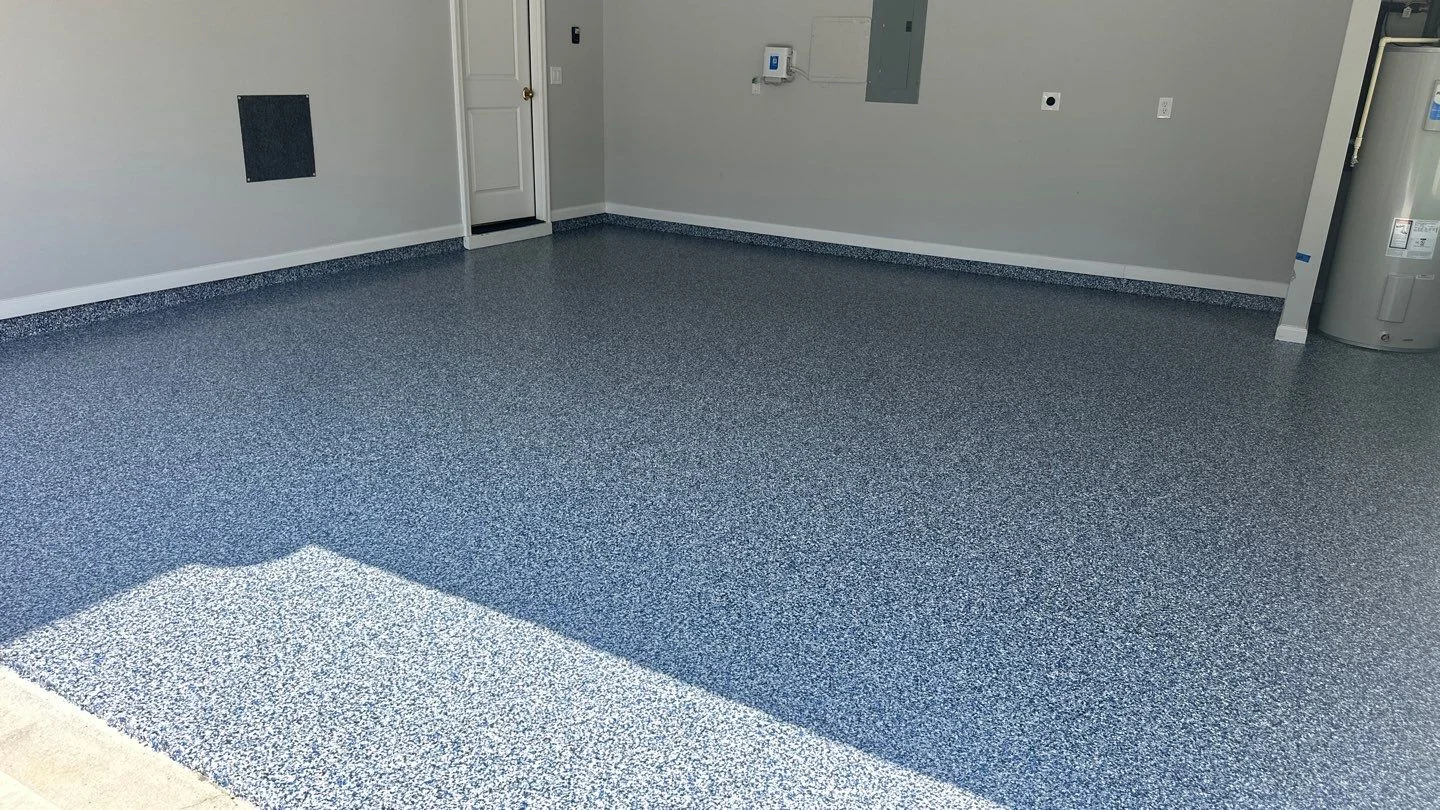
These systems work together to protect the coating and create a durable, long-lasting floor..
Protect Your Garage Floor Investment
Working with experienced professionals ensures that every step of the installation process is handled correctly. The team at Garage Floor Masters uses proper surface preparation, moisture testing, and professional-grade materials to create garage floors that are built to last. If you are considering upgrading your garage floor, contacting Garage Floor Masters can help ensure your new coating is protected from moisture and designed for long-term durability.